Practitioners and LCA experts
Direct dataset access and integration pathways
Building credible data foundations for leather Life Cycle Assessments.
The Institute for Data Integrity (IDI) is a newly established organisation created to address a long-standing gap in the leather industry: the limited availability of credible, science-based data suitable for Life Cycle Assessments.
IDI has been established to provide a neutral, science-led platform for the development, curation, and governance of datasets and methodologies for leather LCAs. As a global industry, leather requires internationally consistent data and transparent methodologies to support credible sustainability assessment and informed decision-making.
IDI’s work is beginning with leather, with the intention to focus future expansion on other natural materials where there is alignment of scope, methodology, and purpose.


Life Cycle Assessments are widely used to inform sustainability decisions, yet the leather industry currently lacks shared, transparent, and widely accessible lifecycle inventory data.
IDI has been established to address this challenge by:
Through this work, IDI is laying the foundations for a platform that will support consistent, comparable, and trustworthy leather LCAs over time.

A platform in development, designed for integrity and use.
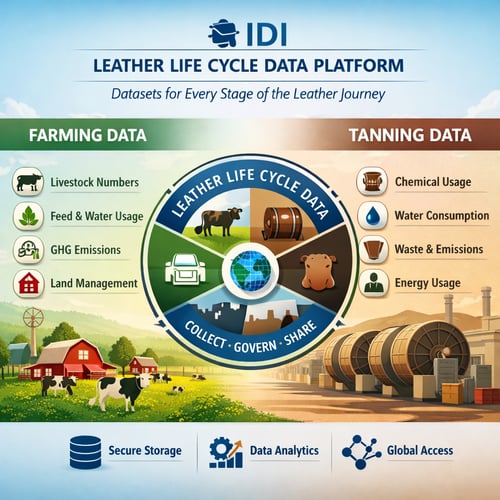
IDI is developing an online platform intended to host and govern datasets covering key stages of the leather life cycle, beginning with farming and tanning.
The platform is being designed to:
Direct dataset access and integration pathways
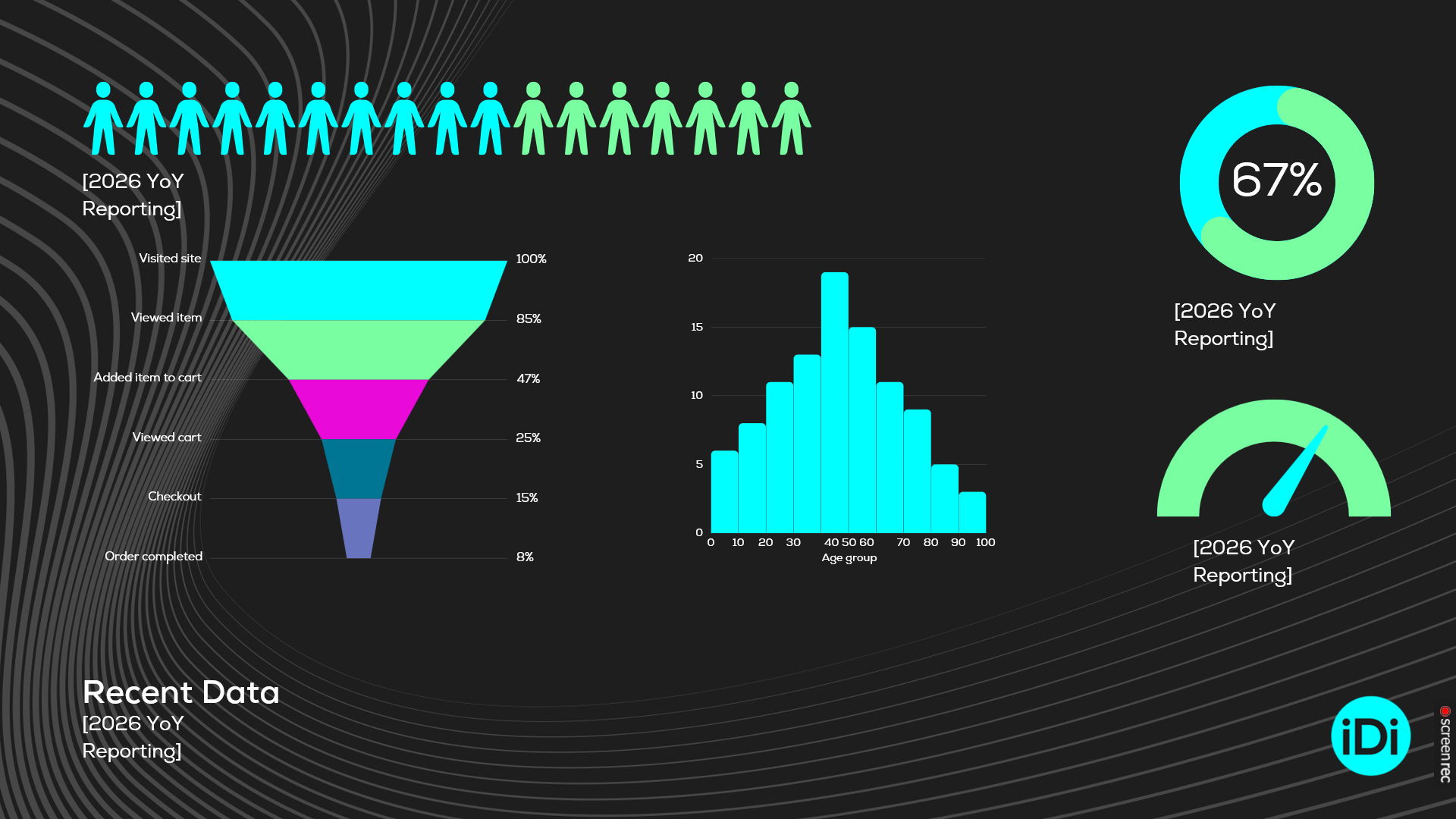
Dashboard-based insights and benchmarking capabilities
High-level, transparent information about leather sustainability metrics
A core ambition of IDI is to provide a secure, governed repository for leather LCA datasets that require long-term stewardship.
By establishing clear governance, documentation standards, and version control, IDI aims to support both individual studies and the gradual development of a coherent, industry-relevant evidence base.
IDI is exploring integration with established LCA software environments as part of its platform development.
The intention is to enable users, over time, to combine IDI datasets with external data sources and perform LCAs within a consistent, transparent analytical framework. As sufficient datasets become available, this infrastructure may support simplified LCA tools and digital representations of tanning processes, designed to improve usability without compromising scientific integrity.